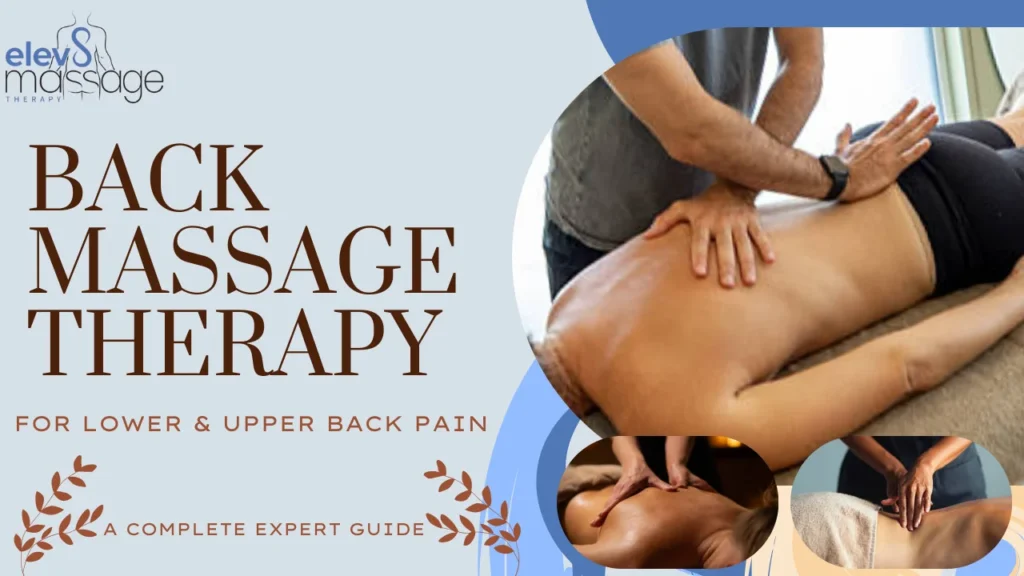
Back pain is one of the most common reasons people seek massage therapy. And there are plenty of reasons to get back pain, for instance:
- Sitting for too long
- Lift heavy objects
- Or it could be due to stress and anxiety
And the back pain effects are even worse,
- It limits body movement
- Disrupts sleep
- And affects the quality of life
But you know, the good thing about back pain can go away with back pain massage therapy, which medicines and resting alone can’t do.
Root Causes of Back Pain
Before learning massage techniques, read about the root cause of it.
- You know your back is a complex structure of muscles, ligaments, tendons, and vertebrae. When any part of this system becomes strained or imbalanced, it causes pain.
- Upper back pain often stems from poor posture, especially if you spend hours looking at a computer screen.
- Your shoulders roll forward, your neck juts out, and the muscles between your shoulder blades become overstretched and weak.
- Over time, this creates chronic tension and discomfort.
- Lower back pain has different triggers.
- It can come from weak core muscles, tight hip flexors, or sudden movements that strain the lumbar region.
- Even driving long distances for work can develop lower back pain from prolonged sitting in the same position.
- Both types of pain can also be caused by stress.
- When you feel anxious or overwhelmed, your muscles tighten reflexively.
- That tension accumulates in your back, creating knots and trigger points that do not release on their own.
Most Effective Techniques for Back Massage Therapy
Different massage techniques target back pain in different ways. Here are the methods that consistently provide the best results:
1. Swedish Massage for General Back Pain
Swedish massage uses long, gliding strokes along the length of your back muscles. This technique is gentle enough for almost anyone but still effective for mild to moderate back pain.
2. Deep Tissue Massage for Chronic Back Pain
Deep massage technique is effective when back pain has been present for weeks, months, or even years. The massage is to heal the deep tissues through massage. You might experience some soreness afterwards. But it typically fades within a day or two, leaving you with increased mobility and reduced pain.
3. Trigger Point Therapy
There are two trigger points in your body, one at the upper and one at the lower back. Trigger point therapy involves applying direct pressure to these spots until they release. Then the therapist holds steady pressure for 30 to 90 seconds; this technique can provide immediate relief for sharp back pain.
4. Myofascial Release
Fascia is the connective tissue that surrounds your muscles. So when it becomes tight or restricted, it pulls on muscles and creates pain. Myofascial release uses gentle, sustained pressure to stretch and soften this tissue. It works well for people who have had injuries, surgery, or chronic postural problems.
What to Expect During Your Back Massage Therapy Session
If you have never had a professional massage for back pain, knowing what to expect can help you feel more comfortable.
Jim Brooks, a professional massage therapist, starts the session with questions regarding pain, like:
- Where does it hurt?
- When did it start?
- What makes it better or worse?
This information helps him create a treatment plan specific to your needs.
- You will lie face down on a heated massage table with a warm blanket over your face and a soft pillow under your head. He simply shows the area that is being worked on.
- He works on your neck, shoulders, and the space between your shoulder blades to help with upper back pain.
- If you have lower back pain, you should pay attention to your lumbar area, hips, and sometimes your glutes because these muscles all work together and affect each other.
- The pressure should be strong but not too much. You should be able to take deep breaths and relax while you work. If anything is excessively strong, say something right away.
- For a full back treatment, sessions usually run between 60 and 90 minutes. Some clients choose shorter sessions that just focus on problem areas. It depends on your needs, money, and timetable.
Supporting Your Back Between Massage Sessions
Massage therapy is powerful, but it works best when combined with good self-care.
Here are practical ways to support your back between sessions:
- Sitting or standing in one place for hours promotes stiffness. Set a timer to remind you to move every half hour.
- Easy stretches for your back, hips, and hamstrings help keep you flexible.
- A strong core keeps your back safe and stops pain from coming back.
- Make sure your screen is at eye level, and your chair supports your lower back.
- Heat makes stiff muscles relax. Ice helps with swelling after an acute injury.
- Water helps muscles stay flexible and helps tissues heal.
- Stress can make back discomfort worse, so things like deep breathing or meditation can help.
When to See a Doctor Instead of a Massage Therapist
While back massage therapy helps most types of back pain, some situations require medical attention first.
See a doctor if you experience:
- Severe pain that does not improve with rest.
- Pain that radiates down your leg with numbness or tingling.
- Loss of bladder or bowel control.
- Back pain after a significant fall or accident.
- Pain accompanied by fever or unexplained weight loss.
Book Your Back Pain Massage Therapy Session Today!
Is back pain not going away with medicines? Try Elev8 Massage to get effective back pain therapies that offer promising results in St. Louis. As your back massage therapist, I use the right techniques to help you move better, feel better, and get back to doing what you love.